
Disagreements happen—whether it’s a business clash, a family argument, or someone taking your parking spot. Tempers flare, words get misinterpreted, and things can escalate fast. Staying calm isn’t just polite—it’s essential. Here’s how to handle disputes effectively.
1. Take a Breather
When your heart races, thinking clearly is impossible. Pause, breathe deeply, and count to five or ten. Even a short break helps reset your focus.
2. Stick to the Facts
Avoid emotional accusations. Focus on what actually happened. Facts, not feelings, create a foundation for resolution.
3. Choose Your Words Carefully
Keep your language clear and neutral. Avoid sarcasm, threats, or passive-aggressive comments. Simple, direct communication is always more effective.
4. Listen Actively
Pay attention to the other person’s words. Nod, summarize, or repeat back what you heard. Listening is often more powerful than speaking.
5. Watch Your Body Language
Non-verbal cues—crossed arms, tapping fingers, rolling eyes—can escalate tension. Maintain open posture, face the person, and stay calm.
6. Take Breaks When Needed
If emotions run high, step away for a moment. Stretch, grab a coffee, or just pause quietly. Returning with a calmer mindset improves outcomes.
7. Keep the Goal in Mind
Focus on resolving the issue, not winning an argument. Prioritize solutions over ego.
Bottom Line
Disputes don’t need to become battles. Calm breathing, clear communication, active listening, and patience will get you further than yelling or passive-aggressive tactics.
Handled right, you can resolve conflicts efficiently—and without unnecessary stress.



The Role of the Family Advocate
When parents separate or disagree about their children, the conflict can quickly become more complicated than…
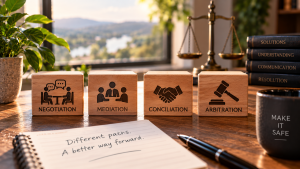
Types of Alternative Dispute Resolution (ADR)
When people hear the word dispute, they often imagine lawyers, courtrooms, legal bills and months of…

The Landmines Found in Destructive Arguments: 5 Things That Make Conflict Worse
Have you ever been in an argument that was going reasonably well until someone said that…

The Danger of “Bad Words”: Why What You Say Isn’t Always What People Hear
Have you ever said something completely reasonable, only to watch the other person react as though…

What Happens During Negotiations?
We make negotiation practical, strategic, and results-focused. Our negotiators act on your behalf, protecting your interests…