

Effective communication is one of the most important skills in any relationship, whether at work, at home, or during a dispute. Many conflicts are not caused by bad intentions, but by communication habits that create misunderstanding, frustration, and defensiveness. Here are seven common mistakes and what to do instead.
1. Assuming You Already Know What Someone Means
The mistake: Jumping to conclusions about another person’s intentions, thoughts, or motivations.
Why it causes problems: Assumptions are often wrong. When people feel misunderstood, they become defensive and less willing to engage.
Try this instead: Ask clarifying questions.
“Can you explain what you mean by that?”
“Help me understand your perspective.”
2. Listening to Reply Instead of Listening to Understand
The mistake: Thinking about your response while the other person is still speaking.
Why it causes problems: Important information gets missed, and the speaker may feel ignored.
Try this instead: Focus entirely on understanding before responding. Summarise what you’ve heard before sharing your own view.
“So what I’m hearing is…”
3. Interrupting
The mistake: Cutting people off before they have finished speaking.
Why it causes problems: Interruptions can be interpreted as disrespectful and often escalate tension.
Try this instead: Allow the other person to finish completely before responding, even if you disagree.
4. Letting Emotions Take Control
The mistake: Responding while angry, frustrated, or upset.
Why it causes problems: Emotional reactions often create new problems rather than solving the original one.
Try this instead: Pause before responding. Take a breath, gather your thoughts, and focus on the issue rather than the emotion.
5. Using Unclear or Complicated Language
The mistake: Relying on jargon, buzzwords, or vague statements.
Why it causes problems: Confusion creates misunderstanding, and misunderstanding creates conflict.
Try this instead: Use simple, direct language that is easy for anyone to understand.
6. Ignoring Non-Verbal Communication
The mistake: Focusing only on words and missing tone, facial expressions, and body language.
Why it causes problems: Much of communication happens beyond the words themselves.
Try this instead: Pay attention to both verbal and non-verbal signals and ensure your own body language matches your message.
7. Failing to Check for Understanding
The mistake: Assuming everyone leaves a conversation with the same understanding.
Why it causes problems: Misunderstandings often only become visible later, when expectations don’t match.
Try this instead: Confirm key points before ending the conversation.
“Just to make sure we’re on the same page…”
“Can we summarise what we’ve agreed?”
Final Thought
Most communication problems are not caused by what people intend to say, but by how their message is delivered and received. By avoiding these common mistakes and replacing them with curiosity, active listening, and clarity, you can reduce misunderstandings, strengthen relationships, and resolve disagreements more effectively.



Why Winning in Court Could Feel Like Losing
When you’re in a serious dispute, the first usual thought is to get an attorney. And…

Should I use a mediator or an attorney for my divorce?
Most people go into conflict thinking they’re fighting for justice. Somewhere along the way though, the…
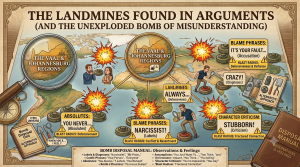
The Landmines found in Arguments
Words matter. And some words? They explode. Labels, blame, and absolutes can turn even the calmest…

The Danger of “Bad Words” in Communication
Certain words and phrases in conversation carry more weight than we realise. Labels like narcissist or…

Negotiation Is Chess, Not War
Many people approach negotiation like a fight, voices raised, egos at max, demands and half-baked threats…

Negotiation Skills Everyone Can Use
Negotiation isn’t limited to boardrooms or slick sales pitches. It’s for anyone trying to get someone…

Managing Disputes Without Losing Your Cool
Disagreements happen—whether it’s a business clash, a family argument, or someone taking your parking spot. Tempers…

7 Common Communication Mistakes
Effective communication is one of the most important skills in any relationship, whether at work, at…

Reading Between the Lines: Understanding Body Language
Humans communicate constantly, but not always with words. A twitching foot, a raised eyebrow, or crossed…