
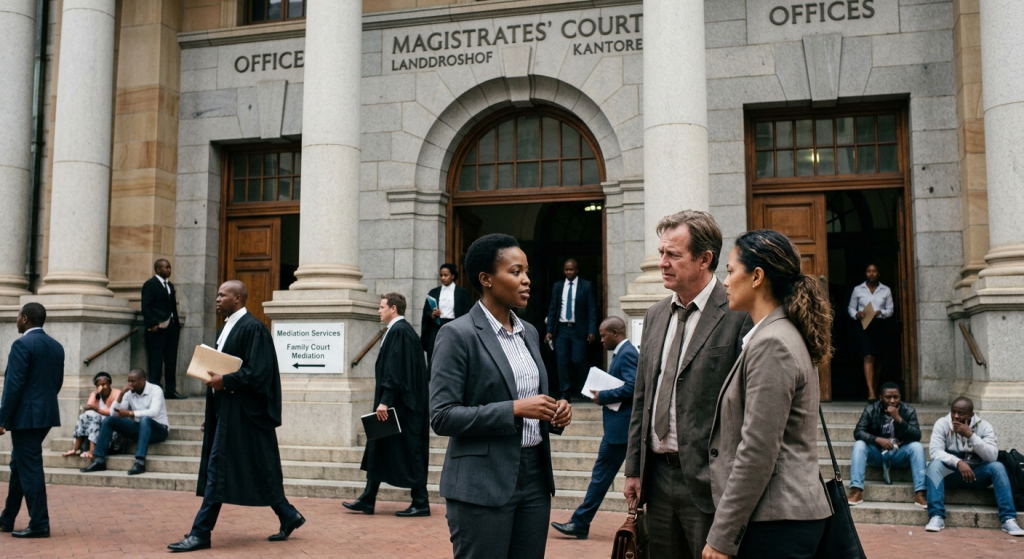
Being involved in a dispute can feel overwhelming.
You may be asking yourself:
- What should I do next?
- Do I need a lawyer?
- Should I go to court?
- Is there another way to resolve this?
The good news is that a dispute does not always have to become a long and stressful battle.
The first step is understanding where you are in the process and what options are available to you.
Whether you are dealing with a disagreement directly, already have lawyers involved, or court proceedings have started, mediation may provide a pathway toward resolution.
I Have a Dispute, But No Lawyers Are Involved
This is often the easiest stage to explore mediation.
You do not need to wait until communication completely breaks down or the dispute becomes more serious. Mediation can help you address the issue early, before positions become fixed and relationships become more damaged.
What You Should Do
- Gather relevant information, documents, and details about the dispute.
- Book an initial consultation with us.
- Explain your situation and what you hope to achieve.
- Remain open to listening and finding possible solutions.
What Happens Next?
Once you understand the mediation process and decide it is the right option, the mediator can assist with making contact with the other party and starting the mediation process.
I Have Lawyers Involved — Can I Still Choose Mediation?
Yes.
In fact, many people turn to mediation after lawyers have become involved.
Legal representation has an important role in protecting your rights and advising you on legal matters. However, legal disputes can sometimes become focused on arguments, positions, and proving who is right.
Mediation creates an opportunity to shift the focus back to resolution — finding a practical outcome that allows everyone to move forward.
What You Should Do
- Inform your lawyer that you want to explore mediation.
- Contact a mediator for an initial consultation.
- Share relevant documents and information.
- Participate openly and honestly during mediation.
- Allow your lawyer to review any agreement before signing if you choose to do so.
- Remain focused on solutions rather than continuing the conflict.
What You Should Avoid
- Do not ignore professional legal advice you have received.
- Do not use mediation as another opportunity to argue.
- Do not bring threats, ultimatums, or unnecessary pressure into the process.
- Do not expect the mediator to act as your lawyer.
My Dispute Is Going to Court — Can Mediation Still Help?
Yes. A dispute going toward court does not always mean the opportunity for resolution has disappeared.
Many people explore mediation before a trial because they want to avoid the uncertainty, cost, stress, and time involved in lengthy court proceedings.
What You Should Do
- Consider mediation before the matter proceeds further.
- Speak with your lawyer if you have one.
- You will need to download complete a J102 Form and hand it to the courts (South Africa).
- Contact a mediator to understand your options.
- Think about what outcome would realistically resolve the dispute.
What You Should Avoid
- Do not ignore opportunities to resolve the matter.
- Do not use mediation simply to delay court proceedings.
- Do not expect the mediator to decide your case like a judge.
Court Proceedings Have Already Started — Is It Too Late?
No. Mediation can still be considered even after legal proceedings have begun.
At this stage, the focus is often on finding a way to resolve the dispute while reducing further stress, expense, and uncertainty.
What You Should Do
- Discuss mediation with your lawyer.
- Consider whether continuing the dispute through court is the best option.
- You will need to download complete a J128 Form and hand it to the courts (South Africa).
- Attend mediation with an open mind.
- Focus on solutions that both parties can accept.
- Formalise any agreement reached.
What You Should Avoid
- Do not allow frustration to prevent progress.
- Do not treat mediation as a tactic to gain an advantage.
- Do not expect mediation to replace the authority of the court.
The Question Is Not Always “Who Is Right?”
When people are caught in disputes, it is natural to focus on proving their position.
But the most important question is often:
“What solution allows everyone to move forward?”
Mediation helps people move away from conflict and toward resolution through structured communication, understanding, and practical agreements.
Find Your Way Forward
You do not have to navigate a dispute alone.
Whether your disagreement is just beginning or already involves lawyers and court proceedings, mediation may offer another way to resolve the conflict.
Start by understanding your options and finding the path that best fits your situation.



What Can Mediation Resolve?
Mediation can help resolve many types of disputes, including: Family & Relationship Matters Business & Workplace…

Do I need a Mediator or a Lawyer?
When conflict shows it’s face, the first thing people often ask is: “Know a good lawyer??”…
Pro Bono Mediation Services
At Blackthorn Resolute, we believe that financial hardship should not prevent people from accessing professional dispute-resolution…

Preparing yourself for Mediation
Mediation works best when everyone approaches it with respect, preparation, and a focus on solutions. We…

Help! I’m Stuck in the Middle of a Dispute — How Mediation Can Help
Being involved in a dispute can feel overwhelming. You may be asking yourself: The good news…

What Is Mediation? Understanding the Process and How It Helps Resolve Conflict
Introduction Conflict is part of life. Families disagree, businesses experience disputes, and relationships sometimes reach difficult…

Mediation Q&A
Is mediation like therapy? Absolutely not, mediators cannot make judgements, diagnosis or attempt to be psychologists.…