

Humans communicate constantly, but not always with words.
A twitching foot, a raised eyebrow, or crossed arms can reveal more than a ten-minute monologue ever will. Learn to interpret these cues, and you’ll understand people more clearly—without turning into a stalker.
1. Eyes Reveal More Than Words
Eyes often signal irritation, boredom, or uncertainty. A quick glance away might suggest discomfort. Rolling eyes? Judgment. Watch pupil shifts, blink rate, and gaze direction, they’re subtle indicators of what’s really happening beneath the surface.
2. Feet Are Honest
Feet rarely lie. They indicate attention, interest, or impatience:
- Shuffling: boredom or restlessness
- Pointed toward the exit: thinking about leaving
- Tapping: anxiety or eagerness
Notice where they lead, the toes often tell the story your ears miss.
3. Posture Speaks Volumes
Open, upright posture signals engagement; slouching or leaning back can indicate disinterest. Closed positions, like crossed arms, often suggest defensiveness. Subtle mirroring can help build rapport, but keep it natural.
4. Microexpressions Are Fleeting Truths
A brief smirk, eyebrow twitch, or half-smile can betray amusement, doubt, or frustration. These flashes last milliseconds, but they carry honest signals people often try to hide.
5. Hands and Gestures Provide Context
- Crossed arms: guarded or defensive
- Open palms: honesty or openness
- Fidgeting: nervousness, impatience, or deception
Interpret gestures in clusters rather than isolation—they’re far more reliable in context.
6. Tone, Timing, and Movement Matter
A pause, sigh, or lean can communicate as much as words. Pay attention to rhythm and timing—they often reveal intention, emphasis, or hesitation.
7. Context Is Crucial
Always consider environment and circumstance. Crossed arms could mean cold, not hostility. Slouching might signal fatigue, not disrespect. Observe the full scene before drawing conclusions.
The Bottom Line
Body language isn’t about manipulation—it’s about awareness. Eyes, feet, posture, microexpressions, and gestures form a narrative. Notice patterns, adjust your approach, and you’ll navigate interactions confidently and gracefully.


Why Winning in Court Could Feel Like Losing
When you’re in a serious dispute, the first usual thought is to get an attorney. And…

Should I use a mediator or an attorney for my divorce?
Most people go into conflict thinking they’re fighting for justice. Somewhere along the way though, the…
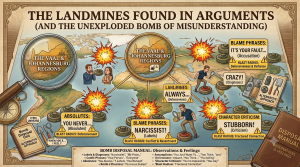
The Landmines found in Arguments
Words matter. And some words? They explode. Labels, blame, and absolutes can turn even the calmest…

The Danger of “Bad Words” in Communication
Certain words and phrases in conversation carry more weight than we realise. Labels like narcissist or…

Negotiation Is Chess, Not War
Many people approach negotiation like a fight, voices raised, egos at max, demands and half-baked threats…

Negotiation Skills Everyone Can Use
Negotiation isn’t limited to boardrooms or slick sales pitches. It’s for anyone trying to get someone…

Managing Disputes Without Losing Your Cool
Disagreements happen—whether it’s a business clash, a family argument, or someone taking your parking spot. Tempers…

7 Common Communication Mistakes
Effective communication is one of the most important skills in any relationship, whether at work, at…

Reading Between the Lines: Understanding Body Language
Humans communicate constantly, but not always with words. A twitching foot, a raised eyebrow, or crossed…